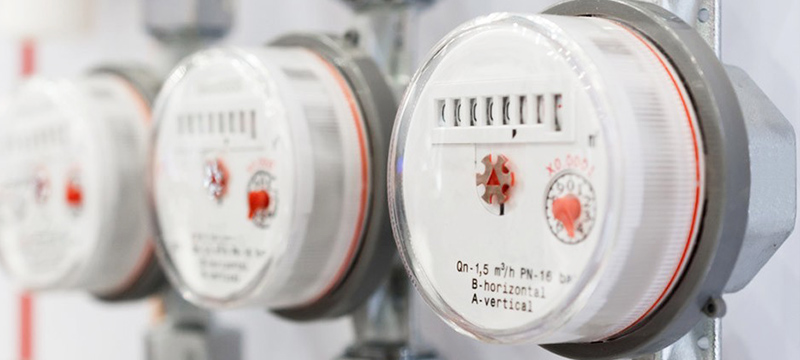
Smart metering has become a foundational component of modern utility infrastructure, enabling granular visibility into energy, water, and gas consumption. As utilities transition toward more digital and distributed models, the ability to collect, transmit, and analyze usage data in near real time is no longer optional—it is a prerequisite for operational efficiency and regulatory compliance.
At the intersection of connected devices, low-power communications, and data analytics, Smart Metering represents one of the most mature and widely deployed applications of the Internet of Things. Its evolution reflects broader shifts in IoT architectures, from centralized data collection to edge intelligence and scalable cloud platforms.
Key Takeaways
Smart Metering enables automated, remote measurement of utility consumption using connected IoT devices.
It relies on a combination of sensors, communication networks, and data platforms to deliver real-time insights.
Utilities use Smart Metering to improve billing accuracy, detect anomalies, and optimize grid operations.
Multiple communication technologies coexist, including cellular, LPWAN, and mesh networks.
Despite clear benefits, challenges remain around interoperability, cybersecurity, and deployment costs.
What is Smart Metering?
Smart Metering refers to the use of connected measurement devices that automatically record consumption of utilities such as electricity, gas, or water, and transmit this data to centralized systems for monitoring, analysis, and billing.
Unlike traditional meters that require manual readings, Smart Metering systems operate continuously and remotely. They form a critical layer within the IoT ecosystem, acting as distributed endpoints that generate high-frequency data streams. This data supports not only billing but also grid management, demand forecasting, and customer engagement.
Smart Metering is often associated with Advanced Metering Infrastructure (AMI), which encompasses the full system of meters, communication networks, and data management platforms.
How Smart Metering works
A Smart Metering system typically consists of several interconnected components that enable data capture, transmission, and processing.
At the edge, smart meters are equipped with sensors and embedded communication modules. These devices measure consumption at regular intervals, often every 15 minutes or less, depending on regulatory requirements and use cases.
Data collected by the meters is transmitted through communication networks to utility back-end systems. Depending on the deployment architecture, this transmission may occur directly via cellular connectivity or through intermediate gateways using mesh or LPWAN technologies.
Once received, the data is processed by Meter Data Management Systems (MDMS), which validate, store, and analyze the information. Integration with enterprise systems enables billing, outage management, and demand response applications.
In more advanced deployments, edge computing capabilities allow certain decisions—such as anomaly detection or load balancing—to be performed closer to the device, reducing latency and bandwidth usage.
Key technologies and standards
Smart Metering deployments rely on a diverse set of technologies, reflecting different geographic, regulatory, and operational contexts.
Communication technologies: Cellular (3G, LTE-M, NB-IoT), RF mesh networks, PLC (Power Line Communication), and LPWAN technologies such as LoRaWAN.
Protocols: DLMS/COSEM for meter data exchange, MQTT and CoAP for lightweight IoT messaging, and IPv6 for scalable addressing.
Hardware components: Smart meters with integrated communication modules, data concentrators, and gateways.
Software platforms: Meter Data Management Systems (MDMS), analytics platforms, and utility-specific applications.
Security standards: Encryption protocols, secure key management, and device authentication mechanisms to protect data integrity.
The coexistence of multiple standards reflects the fragmented nature of the utility sector, where legacy infrastructure and regional regulations influence technology choices.
Main IoT use cases
Smart Metering supports a wide range of applications across utility and urban infrastructure domains.
Electricity grid management: Real-time monitoring of consumption enables load balancing, outage detection, and integration of renewable energy sources.
Water management: Detection of leaks, monitoring of consumption patterns, and optimization of distribution networks.
Gas metering: Improved safety through continuous monitoring and automated shut-off capabilities in case of anomalies.
Demand response programs: Utilities can adjust supply based on real-time demand signals, reducing peak load pressures.
Smart cities: Integration with broader urban platforms to support energy efficiency initiatives and sustainability goals.
In industrial environments, Smart Metering is also used to monitor energy consumption at the equipment level, enabling more granular cost allocation and efficiency improvements.
Benefits and limitations
The adoption of Smart Metering delivers measurable benefits across operational, financial, and environmental dimensions.
Operational efficiency: Automated readings reduce the need for manual interventions and improve data accuracy.
Improved billing: More frequent and precise data enables dynamic pricing models and reduces disputes.
Enhanced visibility: Utilities gain real-time insights into network performance and consumption patterns.
Customer engagement: End users can access detailed consumption data, encouraging more efficient usage.
However, several limitations and challenges must be considered.
Deployment costs: Large-scale rollouts require significant upfront investment in devices and infrastructure.
Interoperability issues: Diverse standards and legacy systems can complicate integration.
Connectivity constraints: Coverage and reliability vary depending on the chosen communication technology.
Cybersecurity risks: Connected meters increase the attack surface of critical infrastructure.
Data management complexity: Handling large volumes of time-series data requires scalable platforms.
Balancing these factors is essential for utilities planning Smart Metering deployments.
Market landscape and ecosystem
The Smart Metering ecosystem involves a broad range of stakeholders, each contributing to different layers of the value chain.
Device manufacturers: Produce smart meters and embedded communication modules.
Connectivity providers: Offer cellular, LPWAN, or proprietary network services.
Infrastructure operators: Manage grid and distribution networks where meters are deployed.
Software vendors: Provide MDMS platforms, analytics tools, and integration solutions.
System integrators: Support deployment, integration, and maintenance of Smart Metering systems.
Regulatory bodies also play a critical role, often mandating rollouts and defining technical standards. In many regions, national programs have driven large-scale deployments, particularly in electricity metering.
The market is characterized by long deployment cycles, high capital expenditure, and strong regulatory influence, which can slow innovation but also ensure stability and standardization.
Future outlook
The evolution of Smart Metering is closely tied to broader trends in the IoT and energy sectors.
The integration of edge computing capabilities within meters is expected to increase, enabling faster decision-making and reducing reliance on centralized systems. At the same time, the adoption of LPWAN and 5G technologies may enhance connectivity options, particularly in challenging environments.
Another key trend is the convergence of Smart Metering with distributed energy resources, such as solar panels and electric vehicles. As energy systems become more decentralized, meters will play a critical role in managing bidirectional energy flows and enabling dynamic pricing models.
Data analytics and artificial intelligence are also expected to enhance the value of Smart Metering data, supporting predictive maintenance, fraud detection, and demand forecasting.
However, future deployments will need to address ongoing challenges related to cybersecurity, data privacy, and interoperability to ensure long-term sustainability.
Frequently Asked Questions
What is the difference between Smart Metering and traditional metering?
Traditional metering requires manual readings and provides limited data, while Smart Metering enables automated, real-time data collection and remote communication.
Which communication technologies are used in Smart Metering?
Common technologies include cellular networks (LTE-M, NB-IoT), RF mesh, power line communication, and LPWAN solutions such as LoRaWAN.
Is Smart Metering secure?
Security depends on implementation, but modern systems use encryption, authentication, and secure key management to protect data and devices.
What are the main benefits for utilities?
Utilities benefit from improved operational efficiency, better billing accuracy, enhanced visibility into networks, and the ability to implement demand response programs.
Can Smart Metering support renewable energy integration?
Yes, Smart Metering enables monitoring and management of distributed energy resources, facilitating the integration of renewables into the grid.
Related IoT topics
Advanced Metering Infrastructure (AMI)
LPWAN Connectivity
Edge AI in IoT
Industrial IoT (IIoT)
Smart Grid Technologies
IoT Cybersecurity
The post Smart Metering: IoT Technologies, Rollouts and Utility Use Cases appeared first on IoT Business News.
